Closing the Shadow AI Governance Gap
As unauthorized AI usage surpasses phishing as a leading security risk, CISOs must shift from reactive policy enforcement to collaborative human-centric design.
TopCISO Editorial Desk
6 min read

The short answer
New research indicates that 81% of workplace AI activity currently bypasses enterprise controls, creating significant data exposure risks. Organizations that fail to involve employees in role redesign see lower productivity and higher attrition, complicating the shift toward agentic AI collaboration. To mitigate this, CISOs must prioritize AI integration as a human-centric workflow challenge rather than merely a perimeter-defense problem.
Synthesized from 5 verified reports · MSP Channel Insights · Digital Infrastructure · The Adecco Group
Generated by the TopCISO Editorial Agent · TopCISO Editorial Desk
Recent industry research, including findings from CultureAI and Digital Infrastructure, confirms that shadow AI usage has emerged as the primary security incident vector, outpacing phishing. According to The Adecco Group, this technical instability is exacerbated by a cultural disconnect where employees feel unsupported during AI-driven role transitions. Furthermore, as noted by AVNetwork, the move toward "Copilot Workspaces" requires a fundamental shift in how IT leaders manage collaborative environments, while reports like those in Deadline emphasize that toxic cultural undercurrents can irreparably damage organizational stability.
What happened
In November 2026, data revealed that 81% of AI interactions in the workplace occur outside authorized enterprise channels, resulting in sensitive data exposure in roughly one out of every seven prompts. As reported by Digital Infrastructure, this activity is now the leading cause of security incidents for 25% of cybersecurity managers. The shift is not merely accidental; it represents a functional workaround by employees attempting to streamline their workflows using tools that the enterprise has not yet sanctioned or secured.
Simultaneously, the strategic discourse has evolved toward agentic AI. As quoted in AVNetwork, Microsoft CEO Satya Nadella described the transition to "multiplayer form factors" where humans and autonomous agents drive toward shared goals. This transition requires a departure from traditional legacy security models. However, The Adecco Group highlights that employees are struggling with this technological evolution, with work-life balance now outweighing salary as the primary driver for talent retention. When management fails to provide a structured path for this transition, the resulting friction creates both security vulnerabilities and cultural degradation.
Why it matters to the business and the board
The board must recognize that shadow AI is not just a nuisance; it is an existential threat to intellectual property and regulatory compliance. When employees routinely expose sensitive data to unmanaged AI models, the organization risks violating data sovereignty laws and internal governance policies. The inability to monitor these interactions renders traditional perimeter security ineffective, leaving the company blind to the loss of proprietary information. From a board perspective, this is a failure of risk oversight that demands immediate attention.
Furthermore, the culture-AI nexus directly impacts talent retention and productivity. As stated by The Adecco Group, productivity gains from AI are maximized only when humans are active participants in the redesign of their workflows. When executives impose tools without considering the human element, they create a culture of resistance rather than one of adoption. This "leadership bottleneck" forces employees to seek unauthorized workarounds, creating a feedback loop of shadow IT that drives further insecurity and inefficiency. Ultimately, the company’s ability to remain competitive depends on its ability to align its technological stack with human-centric operational resilience.
Where the risk and the money actually sit
Financial risk is concentrated in the delta between shadow AI usage and sanctioned enterprise licensing. Budget cycles must account for the shift from passive security monitoring to the procurement and integration of secure agentic AI platforms. Investment is required to move from basic policy enforcement to advanced ISO/IEC 42001 AI management frameworks. The budget must explicitly cover the deployment of technical guardrails, such as Data Loss Prevention (DLP) solutions optimized for Large Language Models (LLMs) and User and Entity Behavior Analytics (UEBA).
From a talent perspective, the risk sits within the IT and security teams. The demand for employees capable of managing the human-AI interface is unprecedented. If your current workforce lacks the skills to manage the nuances of AI safety and prompt security, you are essentially outsourcing your security to the employees' personal judgement—a strategy that data suggests is failing. Operational spending must be prioritized to retrain existing staff and hire specialists who understand the intersection of NIST AI RMF practices and business workflow efficiency. Every dollar misspent on restrictive policy enforcement rather than enablement is a dollar effectively lost to shadow AI risk.
When leaders need to act
The urgency is absolute. You are currently operating in a cycle where every day of inaction allows more sensitive data to flow into unmanaged environments. Leaders must initiate a review of the current AI threat landscape immediately. By the next board meeting, you should have a clear inventory of the unsanctioned AI tools currently active within the enterprise network. This inventory is your baseline for the 2027 fiscal year strategy.
In terms of sequencing, the first 30 days must be dedicated to discovery and communication. By day 60, you must have implemented technical blocks or alternative sandboxed environments for the highest-risk tools. By day 90, the focus must shift to collaborative redesign. If you wait until the next security audit or, worse, a significant breach to act, you will be in a position of forced reaction rather than proactive design. The competitive window is closing; the organizations that successfully integrate secure, agentic workflows will gain a significant operational advantage over those still struggling to police employees' browser histories.
How to respond: the 90-day playbook
- Day 1-30: Comprehensive Shadow AI Discovery. Deploy non-invasive discovery tools to identify the scope of unsanctioned AI tool usage. Owner: CISO/Head of Security. Outcome: A detailed report on the volume and types of unauthorized AI tools in use.
- Day 31-45: Policy Realignment. Revise AI usage policies to prioritize business enablement over total prohibition. Owner: Legal/HR/Security. Outcome: A clear, communicated framework that defines acceptable AI use cases.
- Day 46-60: Technical Guardrails Deployment. Implement DLP and cloud security controls to restrict sensitive data flow to non-sanctioned models. Owner: IT/Security Architecture. Outcome: A hardened environment that prevents accidental data leakage.
- Day 61-75: AI Workflow Collaborative Workshop. Launch cross-functional committees to identify which AI tasks can be brought into the sanctioned "Copilot Workspace" environment. Owner: IT/Business Unit Leads. Outcome: A pilot list of approved, AI-assisted workflows.
- Day 76-90: Training and Culture Integration. Roll out security awareness programs focusing on AI-specific risks, such as prompt injection and data privacy. Owner: Security/L&D. Outcome: A workforce trained to use AI safely and effectively.
How this changes the competitive and culture picture
The successful enterprise will treat AI not as a security threat to be suppressed, but as a collaborative partner to be managed. Companies that ignore this will continue to suffer from the "culture deficit," where employees feel alienated by restrictive policies that impede their efficiency. By contrast, organizations that provide secure, enterprise-grade AI tools foster a culture of transparency and trust. This shift turns security from a hurdle into an enabler, directly improving both worker morale and operational velocity. Organizations that leverage these practices will find it significantly easier to retain top talent who demand modern, efficient tools that do not force them into shadow workarounds.
What to watch next
Watch for the regulatory response to shadow AI, particularly in the EU and North America, as authorities move to mandate stricter oversight of AI data practices. Keep an eye on the development of open-source agentic frameworks which will further decentralize AI capabilities, potentially bypassing current security perimeters. Finally, monitor internal employee sentiment closely; a rise in attrition or declining engagement scores is a leading indicator that your AI strategy is failing to support the people who actually use these tools to drive the business forward.
The Shadow AI Tipping Point: Operationalizing Human-Centric SecurityThe Shadow AI Tipping Point: Moving Beyond Reactive GovernanceThe Accountability Gap: Why 2027 Demands a New Human-AI Operating ModelBridging the AI-Culture Gap: A CISO’s Guide to Operational IntegrityAnswers · AEO / GEO
The 5W/1H on this briefing
Why is shadow AI usage currently considered a larger risk than phishing?
Shadow AI usage is more pervasive and harder to track than traditional phishing. Employees are integrating unmanaged AI directly into their core workflows, leading to routine exposure of sensitive data across multiple platforms. Unlike phishing, which targets security, shadow AI is often an intentional but insecure attempt by employees to boost their personal productivity.
What does it mean for a CISO to shift from reactive policy to human-centric design?
It involves moving away from simply banning unauthorized tools and toward understanding why employees turn to those tools in the first place. A human-centric model provides sanctioned, secure alternatives that satisfy business needs, ultimately reducing the incentive for employees to operate in the shadows.
How can CISOs align AI adoption with organizational culture?
CISOs must partner with HR and department heads to involve employees in the redesign of their own roles. By treating AI as a collaborative "multiplayer" participant, organizations can foster a culture of transparent adoption rather than clandestine usage, which significantly improves retention and reduces the risk of data leakage.
What is the primary commercial consequence of ignoring shadow AI?
Ignoring shadow AI leads to significant intellectual property loss, regulatory non-compliance, and decreased operational resilience. When the organization cannot account for where sensitive data is flowing, it faces catastrophic risk, including potential legal penalties and a loss of market trust that is difficult to recover.
When is the most critical time for a CISO to address these risks?
The most critical time is immediately. Data suggests that shadow AI is already the primary cause of security incidents in many organizations. Waiting for the next fiscal year or an external security audit to address these gaps allows the risk to compound, increasing the eventual cost and effort of remediation.
Institutional references
Standards, authorities & primary sources
Original reporting
- MSP Channel InsightsMost workplace AI use runs outside enterprise control as sensitive data exposure becomes routine, CultureAI research finds
- Digital InfrastructureUnsanctioned employee AI use now outranks phishing as top security incident cause
- The Adecco GroupThe Adecco Group global study: AI delivers more value when people are involved in work redesign
- AVNetworkNadella Puts AI at the Center of Workplace Collaboration at Microsoft Ignite 2026
- DeadlineSkyShowtime Staff Complained About Work Culture & "Racist Conduct"
TopCISO did not conduct the interviews referenced in this briefing. Every quoted statement is reported speech attributed to both the speaker and the publication that first reported it.
Links in this article
7On TopCISO
No internal references.
More from the archive
 Work Culture
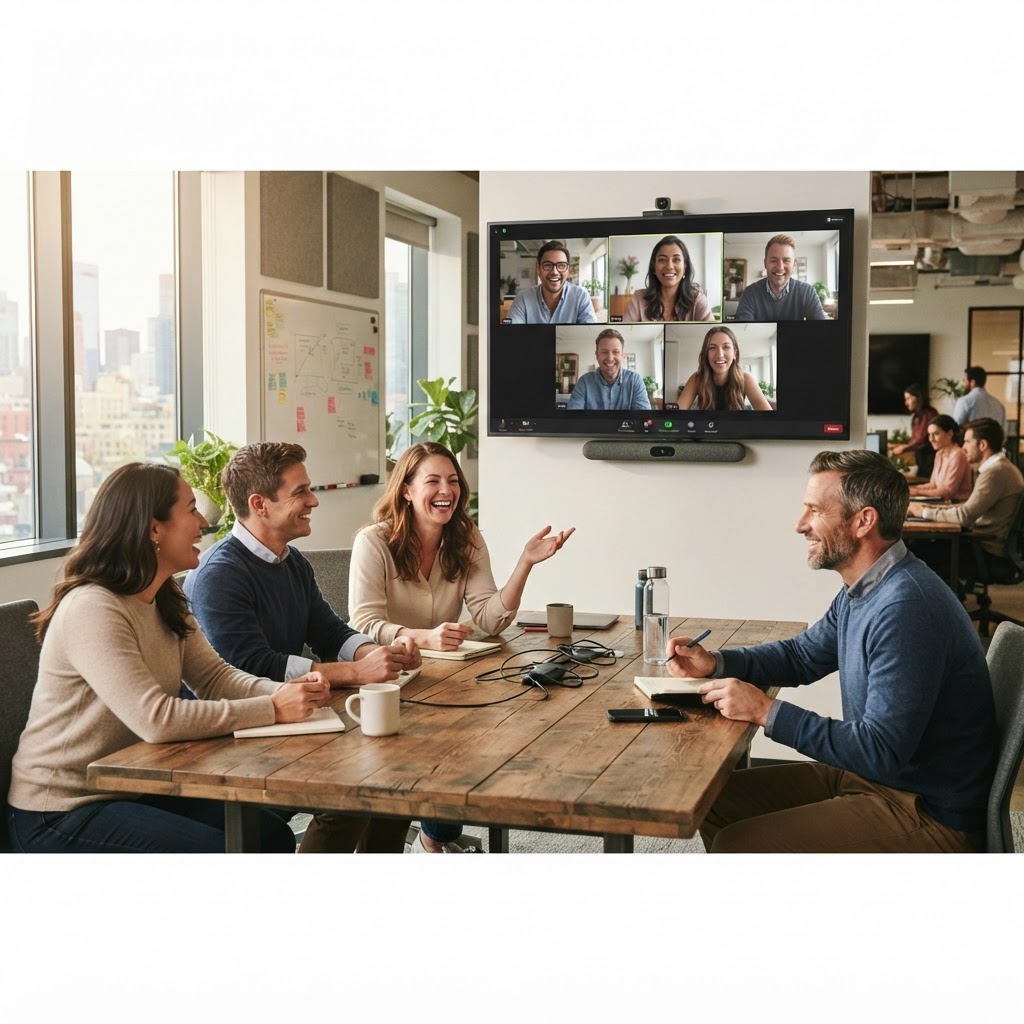
The Shadow AI Tipping Point: Operationalizing Human-Centric Security
Unsanctioned AI usage has surpassed phishing as a primary security threat, forcing a shift from restrictive governance to a human-centric operating model.
 Work Culture
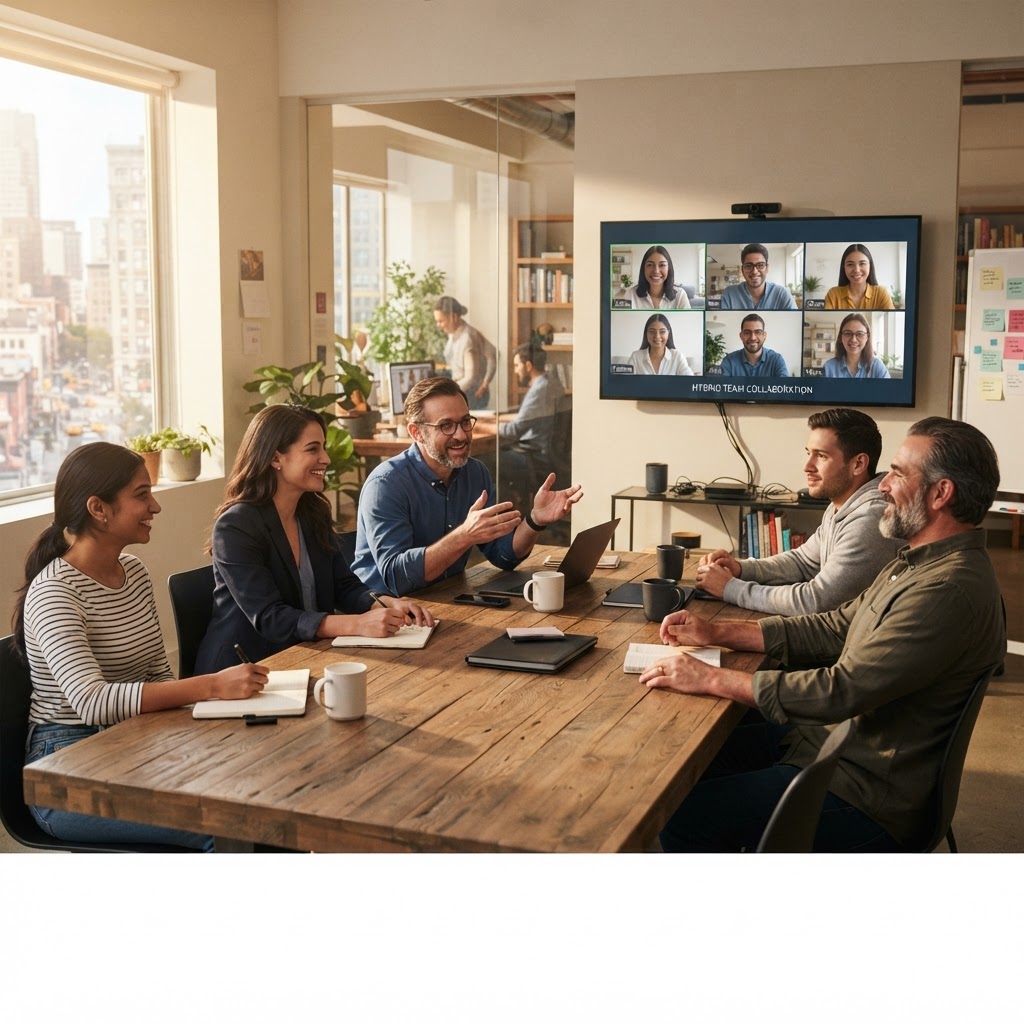
The Shadow AI Tipping Point: Operationalizing Human-Centric Security
Unsanctioned AI usage has surpassed phishing as the primary security incident vector, necessitating a fundamental shift from reactive blocking to proactive workforce enablement.
 Work Culture
The Shadow AI Tipping Point: Operationalizing Human-Centric Security
Unsanctioned AI usage has surpassed phishing as the leading enterprise security risk, demanding a transition from restrictive policies to human-centric workflow integration.