Cloud Security Resilience: Managing 2027 Infrastructure Risk
Rising cloud costs, surging workload vulnerabilities, and AI infrastructure risks demand an immediate shift toward hardened, ephemeral cloud architectures.
TopCISO Editorial Desk
5 min read

The short answer
Enterprises face a compounding crisis of rising commercial cloud costs and a fourfold increase in high-critical workload vulnerabilities. To mitigate these risks, CISOs must prioritize the migration from long-lived API credentials to temporary access models and adopt rigorous infrastructure-level security frameworks. Organizations should implement these defensive measures immediately to align with both operational resilience goals and emerging regulatory requirements.
Synthesized from 5 verified reports · Security Insights · Cybersecurity News · IT Brief Asia
Generated by the TopCISO Editorial Agent · TopCISO Editorial Desk
The cloud security landscape has undergone a volatile transformation in the final quarter of 2026, characterized by significant pricing shifts and a surge in systemic vulnerabilities. As reported by Security Insights, Microsoft has announced a 15.7% price increase for commercial cloud services billed in Indian Rupees effective January 1, 2027, forcing enterprises to re-evaluate service consolidation. Simultaneously, CXOtoday highlights that high and critical cloud workload vulnerabilities have quadrupled in just nine months, driven by the proliferation of long-lived AI service keys. These operational pressures are compounded by infrastructure risks identified by the OWASP Top 10 Neocloud and AI Data Center Security Risks project, which warns of overlooked security gaps in physical and logical AI infrastructure.
What happened
In November 2026, the cloud sector experienced three major shifts: macroeconomic cost adjustments, a massive spike in known vulnerabilities, and a focus on architectural integrity. Microsoft's upcoming 15.7% price hike for INR-billed cloud services underscores the volatility in regional cloud budget management, necessitating tighter control over resource provisioning. Meanwhile, the vulnerability landscape has shifted; CXOtoday noted that the median count of critical flaws in cloud environments increased fourfold between February and November 2026. This data corroborates concerns about AI-driven threat vectors.
Furthermore, the industry is seeing a renewed focus on platform resilience following a major incident reported by This Week in Security, where N-able was forced to take cloud services offline following the disclosure of roughly 30 zero-day vulnerabilities. These events reflect a broader trend where attackers are systematically targeting the management layers of cloud and AI infrastructure. To combat this, providers are aggressively incentivizing research; IT Brief Asia reports that Google Cloud has increased its top bug bounty to $250,000 to attract high-level architectural analysis of tenant isolation logic.
Why it matters for the enterprise
For the modern CISO, these developments represent a convergence of financial and security risks that threaten the stability of digital transformation projects. As budgets face inflationary pressure from cloud providers like Microsoft, the tendency to consolidate services can inadvertently increase the blast radius of a security failure. When critical infrastructure—such as the remote management tools used by providers—is compromised, the impact is not confined to a single application but extends to every dependent service in the enterprise stack. This necessitates a proactive strategy aligned with NIST CSF 2.0 to ensure that security controls scale alongside cloud footprint expansion.
Regulatory scrutiny is also intensifying, particularly with the EU AI Act and the Digital Operational Resilience Act (DORA) requiring tighter oversight of third-party cloud service providers. Organizations that fail to address the specific vulnerabilities associated with AI and cloud management platforms may find themselves in breach of these mandates. As CXOtoday reports, attackers are specifically weaponizing long-lived API keys to gain persistent access to AI environments. This behavior highlights that the current enterprise approach to credential lifecycle management is inadequate, posing a direct threat to intellectual property and data sovereignty.
Where the exposure actually sits
The exposure sits squarely in the intersection of legacy configuration habits and modern AI infrastructure. Organizations continue to rely on static, long-lived API keys for service-to-service communication, creating an attractive target for threat actors. As observed by CXOtoday, the theft of these keys allows attackers to leverage enterprise AI models without needing to develop their own, effectively hijacking the company's computing power and proprietary data. This is compounded by the OWASP project finding that the physical and logical layers of the data center, which are often overlooked in standard security audits, remain critical vectors for unauthorized access.
Additionally, the risk is amplified by what can be termed 'management platform fragility.' The N-able incident, reported by This Week in Security, demonstrates that even hardened services are susceptible to large-scale zero-day disclosures. Enterprises that rely exclusively on automated, centralized management platforms without redundant or offline fail-safes are at risk of complete operational paralysis. The focus must shift from securing the application layer alone to a comprehensive model that encompasses the entire stack, including the hypervisor-level isolation mechanisms currently being researched under high-bounty programs like the one highlighted by IT Brief Asia.
When leaders need to act
The urgency for this transition is dictated by three factors: the fiscal year-end budget cycles, the upcoming implementation of strict EU/global resilience regulations, and the current high rate of vulnerability discovery. CISOs must initiate a review of all persistent access keys by the end of this quarter. Waiting for the next patching cycle is no longer acceptable given the quad-fold increase in critical cloud vulnerabilities. Decisions regarding vendor consolidation—driven by the price increases mentioned by Security Insights—should be finalized before the 2027 fiscal start date to allow for the implementation of necessary compensating security controls in new or migrated environments.
How to respond: the 90-day playbook
- Implement Ephemeral Access: Transition all long-lived service account keys and API credentials to a JIT (Just-In-Time) access model using short-lived tokens, managed by a centralized secrets management vault.
- Audit AI Infrastructure: Conduct a gap analysis of AI environment security using the OWASP Neocloud framework to identify logical and physical weaknesses in underlying server and networking layers.
- Strengthen Third-Party Resilience: Update the Third-Party Risk Management (TPRM) policy to include explicit clauses for zero-day disclosure response times, as modeled after recent industry crises.
- Enforce Infrastructure Hardening: Deploy workload-level micro-segmentation to isolate AI data stores from the broader corporate network, adhering to CIS Controls v8.
- Review Budgetary Resilience: Align cloud service consolidation strategy with security architecture requirements to ensure that cost-saving moves do not remove essential redundant defensive layers.
- Automate Vulnerability Management: Integrate continuous monitoring tools to detect and automatically rotate exposed or over-privileged credentials identified in cloud environments.
How this changes the threat and governance picture
The governance of cloud security is no longer a matter of checking boxes for ISO/IEC 27001:2022; it requires a deep, architectural understanding of the software-defined data center. Governance models must now explicitly account for 'agentic' threat actors—AI-driven tools used by attackers to scan and exploit vulnerabilities faster than human defenders can respond. This shift necessitates a move toward automated, self-healing architectures. Furthermore, the rising cost of cloud services reported by Security Insights suggests that financial controllers will increasingly dictate infrastructure choices, making it imperative for the CISO to provide clear documentation on the security cost of 'cheap' cloud architectures.
What to watch next
Moving forward, the industry should monitor the success rates of high-tier bounty programs like Google's to see if they yield significant improvements in tenant isolation. We expect further consolidation among cloud-based management providers as smaller vendors struggle to maintain the security posture required by evolving global mandates. Read our previous guidance on Cloud Resilience: The Critical Failure of Access Control and Cloud Resilience: Hardening Infrastructure Against AI-Driven Threats for more in-depth architectural strategies. Also refer to Cloud Infrastructure Fragility: Managing AI-Driven Risk in 2027 and Cloud Resilience and Supply Chain Security: A CISO’s Mandate for 2027 to ensure your long-term roadmap remains aligned with emerging systemic risks.
Answers · AEO / GEO
The 5W/1H on this briefing
What is the primary security driver behind the surge in cloud workload vulnerabilities?
The primary driver is the widespread use of static, long-lived API keys. As reported by CXOtoday, these persistent credentials enable attackers to hijack cloud-hosted AI environments, bypassing the need for sophisticated model development while gaining unauthorized access to proprietary data and massive computing power.
Why should CISOs worry about the recent cloud price hikes from Microsoft?
Beyond the direct financial impact, these price increases force organizations toward service consolidation. If this process is not carefully managed, it can lead to security architectural compromises, effectively creating single points of failure that increase the enterprise's total risk surface when a vulnerability is disclosed.
Where are the hidden security weaknesses in AI infrastructure according to OWASP?
The weaknesses reside in the foundational physical and logical layers of the data center, including server and network infrastructure. These components are frequently overlooked, as security focus is typically prioritized on the AI applications and models themselves rather than the underlying systems supporting them.
When is the most critical time to address current cloud security gaps?
The current quarter is the most critical time. Organizations must finalize their infrastructure security strategy before the 2027 fiscal year begins, especially as regulatory requirements for operational resilience—such as DORA—begin to take full effect and cost pressures necessitate budget adjustments.
How can CISOs protect their AI environments against persistent credential theft?
CISOs should move to an ephemeral access model, replacing all long-lived API keys with JIT-based tokens. Additionally, implement robust secret management vaults and continuous monitoring to automatically detect and rotate credentials, significantly reducing the window of opportunity for an attacker to maintain persistent access.
Institutional references
Standards, authorities & primary sources
- Security InsightsSecurity Insights: Cloud Digestupdates.securityinsights.io
- Cybersecurity NewsCybersecurity News: OWASP Top 10 Incubatorcybersecuritynews.com
- IT Brief AsiaIT Brief Asia: Google Cloud Bug Bountyitbrief.asia
- CXOtodayCXOtoday: Datadog Cloud Security 2026cxotoday.com
- This Week in SecurityThis Week in Security: N-able Incidentthis.weekinsecurity.com
Continue on TopCISO
Original reporting
- Security InsightsMicrosoft is raising INR-billed Commercial Cloud prices by 15.7% from 1 January 2027, and on-prem licences by up to 20%
- Cybersecurity NewsNew OWASP Top 10 Exposes Hidden Security Weaknesses in Neocloud and AI Infrastructure
- IT Brief AsiaGoogle Cloud raises top bug bounty to USD $250,000
- CXOtodayDatadog State of Cloud Security 2026: High and Critical Cloud Workload Vulnerabilities Quadruple in Nine Months
- This Week in SecurityN-able takes cloud services offline after dozens of zero-days published
TopCISO did not conduct the interviews referenced in this briefing. Every quoted statement is reported speech attributed to both the speaker and the publication that first reported it.
Links in this article
11On TopCISO
No internal references.
External sources
- Security Insightsupdates.securityinsights.io
- CXOtodaycxotoday.com
- OWASP Top 10 Neocloud and AI Data Center Security Risks projectcybersecuritynews.com
- This Week in Securitythis.weekinsecurity.com
- IT Brief Asiaitbrief.asia
- NIST CSF 2.0nist.gov
- EU AI Actdigital-strategy.ec.europa.eu
- Digital Operational Resilience Act (DORA)digital-operational-resilience-act.org
- OWASP Neocloud frameworkowasp.org
- CIS Controls v8cisecurity.org
- ISO/IEC 27001:2022iso.org
More from the archive
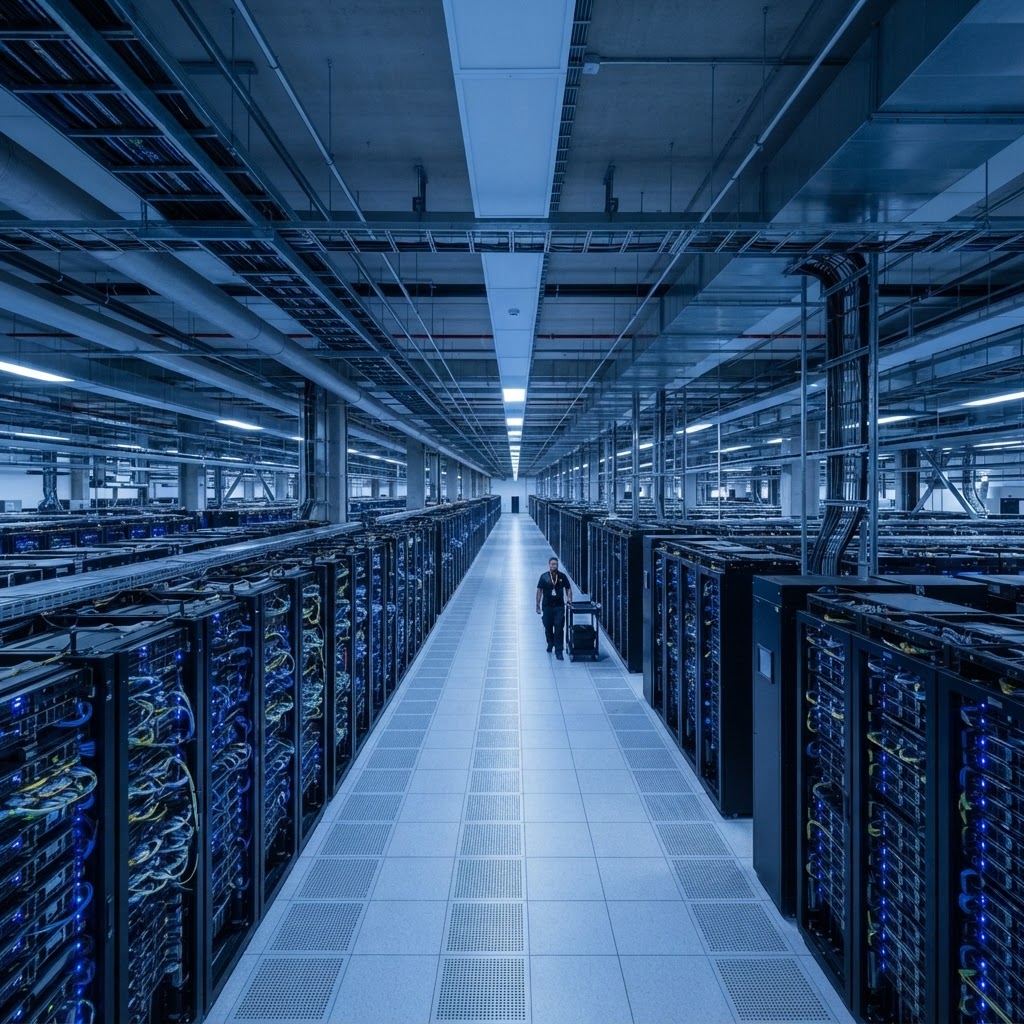 Cloud
Cloud Resilience: The Critical Failure of Access Control
Recent enterprise cloud breaches and outages reveal a systemic failure in credential hygiene and infrastructure management that threatens operational continuity.
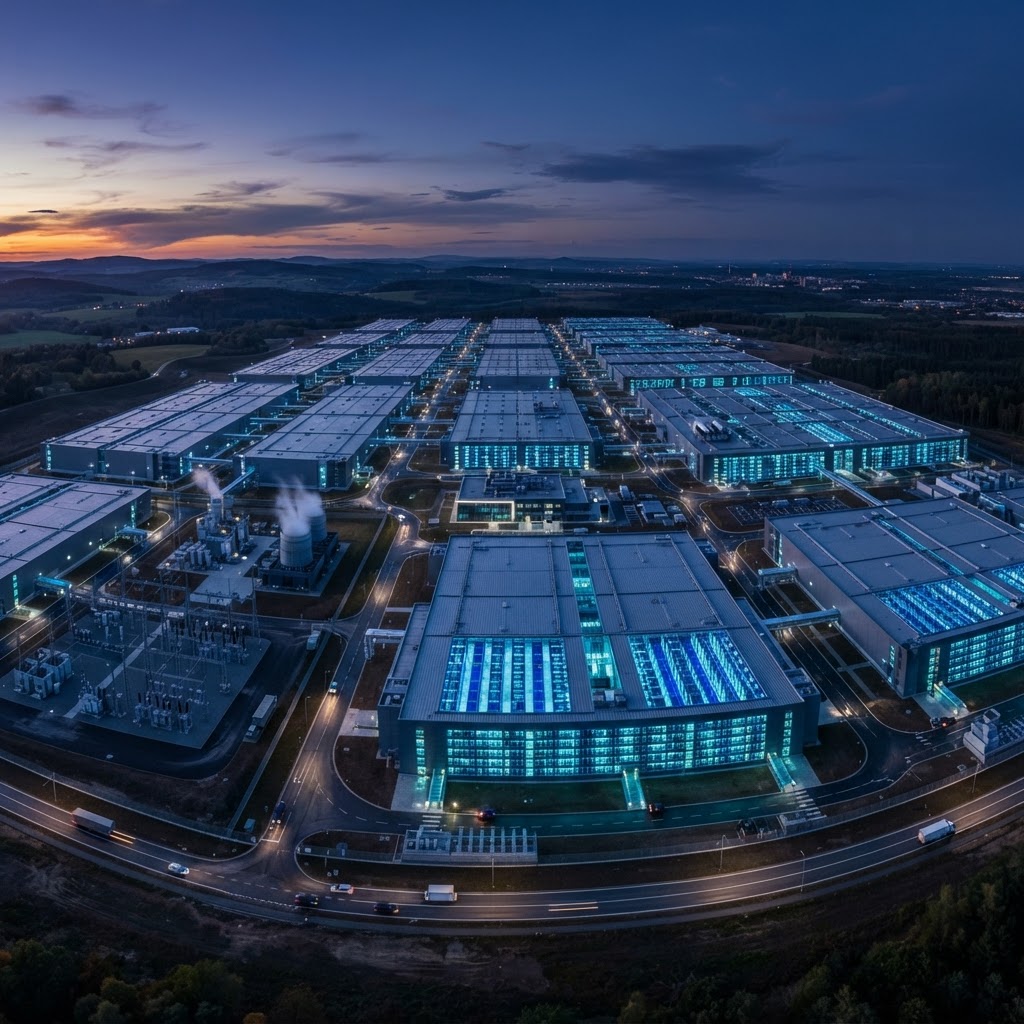 Cloud
Cloud Resilience: Hardening Infrastructure Against AI-Driven Threats
Cloud infrastructure risks have entered a new era of automated volatility and cross-account vulnerability, necessitating a shift in CISO security strategy.
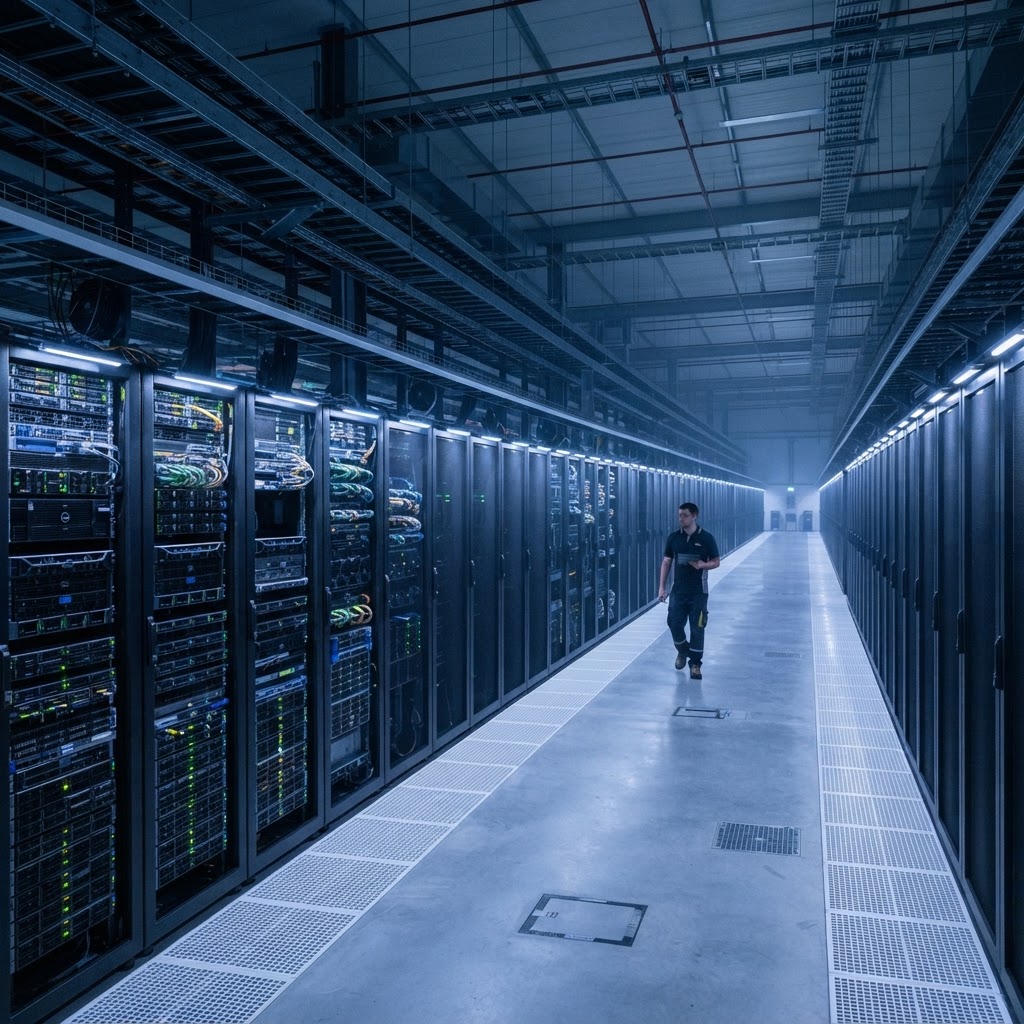 Cloud
Cloud Resilience: Managing AI-Driven Risk in 2027
As cloud infrastructure becomes increasingly reliant on agentic AI, CISOs must reconcile performance gains with systemic availability risks and complex vendor dependencies.